
Spilled candle wax on your carpet doesn’t have to mean disaster. You might think you need to hire a professional carpet cleaning crew, but most wax spills can be tackled with items you already have at home. This guide walks you through several proven methods for removing wax from carpet fibers. Each technique utilizes simple household items, such as ice, irons, and baking soda. By the end, you’ll know exactly how to handle any wax spill situation.
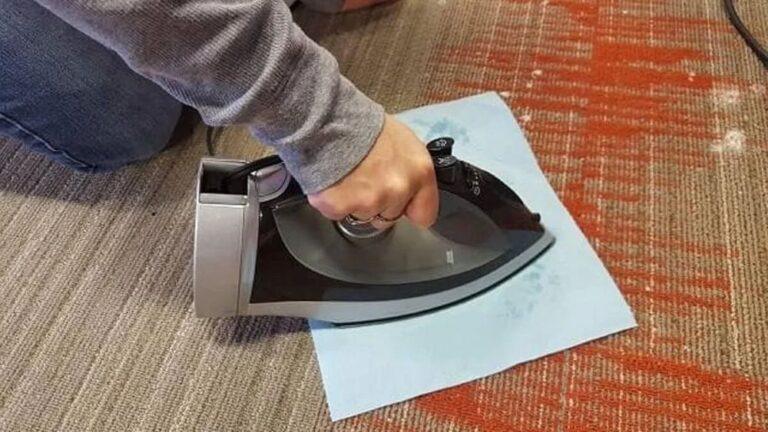
Start by gathering your supplies: a butter knife or credit card, a clean white cloth, a vacuum cleaner, and a clothes iron. Use the butter knife or credit card to gently scrape off the excess wax from the carpet fibers. Be careful not to damage the carpet while doing this. Place a clean white cloth over the remaining wax residue. Set your clothes iron to a low heat setting and press it gently on the cloth. The heat melts the wax, which then transfers onto the cloth. Keep repeating with a fresh section of cloth until all the wax is gone. Finish by vacuuming the area to pick up any leftover bits.
The freezing method is an effective way to remove candle wax from carpets. Put a few ice cubes in a plastic bag and place them directly on the wax. Let the ice sit on the wax for about 5-10 minutes until it becomes hard and brittle. Once frozen, carefully scrape it off using a butter knife or credit card, being gentle to avoid damaging the carpet fibers. You may need to repeat the process with fresh ice cubes until all the wax is removed. After scraping, vacuum the area to remove any remaining debris. This simple method can handle most wax spills without any fancy equipment.
The ironing method offers another solid way to remove candle wax from your carpet. Place a clean white cloth over the wax-affected area. Set your iron to a low heat setting. Gently press the iron onto the cloth, letting the heat melt the wax. As it melts, the wax gets absorbed by the cloth. Avoid letting the iron come into direct contact with the carpet, as this could cause damage. Keep going with this process, swapping out the cloth as needed, until no more wax transfers onto the cloth. Once the wax is gone, clean the area with carpet cleaner or a mix of dish soap and water.
Baking soda or cornstarch can pull candle wax right out of your carpet fibers. Here’s how to use absorbent powder:
This systematic approach can effectively remove candle wax from your carpet, leaving it clean and free from wax.
For tough wax stains, a carpet stain remover can be a practical option. Look for one that is specifically designed for carpet use. Before applying, test it on a small, inconspicuous area of the carpet to ensure it doesn’t cause damage or discoloration. Once you’ve tested it, follow the instructions on the bottle. You’ll typically apply the solution to the stained area, gently blot it with a clean cloth, and let it sit for a few minutes to break down the wax residue. Then use a clean cloth to blot and lift the wax and stain away. Repeat if needed until the stain disappears completely.
After removing the wax, carefully inspect the carpet for any remaining residue or stains that may require further attention.
Related Topics: