
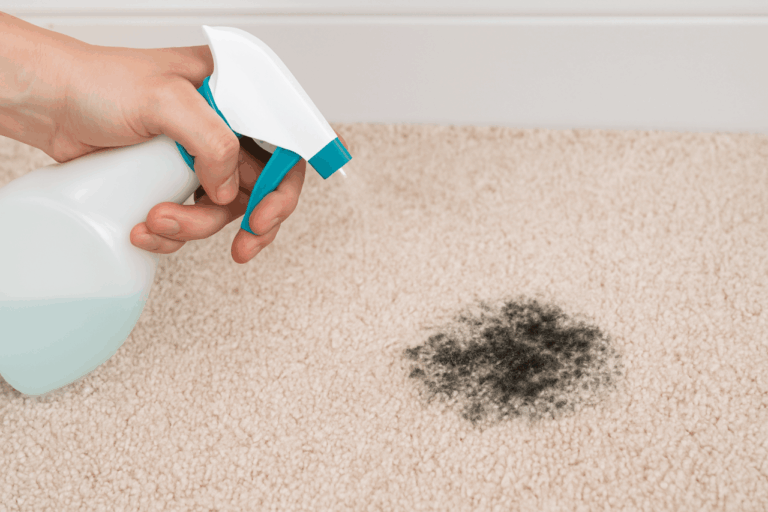
Mold in your carpet is more than just unsightly; it’s a health hazard that needs immediate attention. This guide walks you through the complete removal process, from spotting the problem to cleaning it up yourself. If the mold covers a large area or keeps coming back, calling the best carpet cleaning company in your area might be your smartest move. But for smaller issues, you can tackle this yourself with the right approach and supplies. Here’s everything you need to know about safely removing mold from your carpet.
Start by inspecting your carpet for visible black, green, or white patches that have a musty odor. Mold thrives in damp environments and typically grows in areas with poor air circulation. Check along carpet edges, near walls, and under furniture where moisture tends to accumulate. Use a flashlight to look in dark corners or hidden areas. If you’re unsure it’s mold, you can perform a simple tape lift test: press clear tape onto the suspicious spot, then peel it off and have it analyzed. Mold can have a serious impact on your health, so don’t wait to address it. Knowing what you’re looking for makes the removal process much easier.
Once you’ve confirmed mold in your carpet, it’s time to get the right tools. You’ll need a HEPA vacuum cleaner, which captures mold spores instead of spreading them around. Use a steam cleaner or a wet/dry vacuum to thoroughly clean the affected area. Protect yourself with gloves, a mask, and goggles; mold exposure isn’t something to mess with. You’ll also want a scrub brush, clean cloths, mild detergent, and a mold removal solution. Having everything ready before you start makes the job go smoother and keeps you safe throughout the process.
Use your HEPA vacuum to remove visible mold spores and debris from the carpet fibers. Vacuum in different directions to ensure you catch everything. Pay special attention to corners, edges, and spots under furniture where mold likes to hide. Go over the affected area several times for a thorough clean. Use attachments like a crevice tool to get into tight spaces. Empty the vacuum bag or canister immediately to prevent mold spores from spreading. Ensure that you dispose of the bag properly or clean the canister thoroughly; you don’t want to recontaminate your space.
After vacuuming, it’s time to treat the remaining mold. Mix one cup of white vinegar with two cups of water in a spray bottle. Vinegar is a natural antimicrobial agent that kills mold spores and prevents them from regrowing. Spray the affected area generously, ensuring the solution penetrates the carpet fibers. Let it sit for about 10-15 minutes to allow it to work against the mold. Then, gently blot the area with a clean cloth to absorb extra moisture and mold residue. This simple solution works surprisingly well without harsh chemicals.
Use a stiff-bristled brush to scrub the affected area and loosen any stubborn mold residue. After scrubbing, proper drying is essential to prevent mold from returning. Here’s how to dry your carpet properly:
Complete drying typically takes 24-48 hours, depending on the humidity and airflow conditions.
Stop mold before it starts with regular maintenance. Vacuum your carpet at least once a week, focusing on high-traffic areas and those around furniture. Keep indoor humidity below 60% with a dehumidifier. Ensure good ventilation by opening windows or running fans, especially in bathrooms and kitchens where moisture tends to accumulate. Clean up spills and leaks immediately, and dry the area within 24-48 hours. Buy a quality carpet pad that lets air flow underneath. Avoid overwatering indoor plants, as excess water can seep into carpets. These simple habits will dramatically cut your chances of dealing with mold again.
Related Topics: