
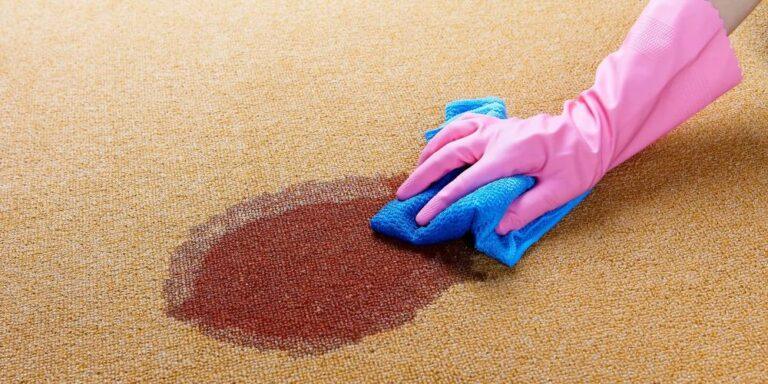
Carpet stains happen to everyone, and knowing how to handle them properly makes all the difference. This guide walks you through safe stain removal methods that protect your carpet fibers. From identifying different stain types to selecting the most effective cleaning approach, these techniques are suitable for most household spills. Hartford carpet cleaning services can help with tough stains, but many common ones can be tackled yourself. Learning these simple steps will keep your carpets looking their best for years.
Before you start cleaning, figure out what caused the stain. Different stains require different cleaning methods, so knowing what you’re dealing with is crucial. Common culprits, such as coffee, wine, or pet accidents, each require their own approach. Examine the stain’s color, texture, and odor to gather clues. Is it water-based like soda or juice, or oil-based like grease or makeup? This quick check will guide your cleaning process and help you pick the right solution. Getting this right from the start increases your chances of removing the stain completely without harming your carpet.
Start by gently blotting the stained area to remove as much of the stain as possible. Grab a clean white cloth or paper towel and soak up the spill. Don’t rub the stain hard, this pushes the liquid deeper into the carpet and makes it harder to clean. Press down gently, moving from the outside edges toward the center to keep it from spreading. Continue blotting until the cloth no longer absorbs liquid. This gentle technique lifts the stain without creating friction that could damage your carpet fibers, setting you up for success with the next cleaning steps.
Create your own carpet cleaner to safely tackle stains. Mix 1/4 teaspoon of dishwashing liquid with one cup of warm water for a simple, gentle cleaner. This mixture works well on common stains, such as food spills or pet messes. For tougher stains, create a paste using baking soda and water. Baking soda naturally removes odors and is safe for most carpets. Vinegar mixed with water works well too, especially on stubborn stains like coffee or wine. Always test any homemade cleaner on a small, hidden area of your carpet before using it on a visible stain.
Before treating the main stain, test your cleaning solution on an inconspicuous area to ensure it’s safe. This step confirms the solution won’t damage or discolor your carpet. Select a discreet area, such as a corner or under furniture, and apply a small amount of cleaner. Gently blot with a clean, white cloth and watch for any adverse reactions, such as color fading or fiber damage. Wait a few minutes to see if anything goes wrong. If the carpet stays fine, you can confidently move forward knowing your cleaning solution is safe to use on the stain.
Put a small amount of cleaning solution directly on the carpet stain. Use a clean cloth or sponge to gently blot the solution onto the area. Don’t scrub hard, this can push the stain deeper into the carpet fibers. Allow the cleaning solution to sit on the stain for a few minutes, allowing it to break down the residue. Be careful not to over-soak the carpet, as excess moisture can lead to mold and mildew growth. Check the label of your cleaning solution to ensure it’s safe for your specific carpet type. Once the solution has had time to work, you’re ready to rinse and dry the carpet for the best stain removal results.
After applying the cleaner, rinse and dry the treated area completely to prevent any leftover residue and moisture from causing problems. Once you’ve applied the cleaning solution, follow these steps:
Related Topics: